How Medical Doctors are becoming media celebrities
It’s a safe bet you’ve seen them. That doctor on your TV screen explaining the latest health news, or the one with a huge following on TikTok giving quick medical tips. So, how exactly are medical doctors transforming into media celebrities? It’s a mix of digital platforms, a genuine need for accessible information, and strategic personal branding.
The way we consume information has fundamentally changed, and healthcare is no exception. Doctors, like everyone else, have embraced digital platforms to share their knowledge, and this has opened up a whole new avenue for visibility.
Social Media as a New Consultation Room
Think of platforms like Instagram, TikTok, and YouTube not just as places for entertainment, but as extensions of a doctor’s reach. They can now connect with thousands, even millions, of people simultaneously, answering common questions, debunking myths, and offering health advice in digestible formats. This isn’t about replacing patient-doctor relationships, but about proactive public health education and building a trusted presence.
Short-Form Video’s Rise
TikTok and Instagram Reels have been game-changers. Doctors can now share quick, engaging videos on anything from explaining how a vaccine works to demonstrating proper handwashing techniques. The brevity and visual nature of these platforms make complex medical information much more approachable for a broad audience.
Longer-Form Content on YouTube
For those who want to dive a little deeper, YouTube offers a space for longer explanations, Q&A sessions, and even in-depth discussions about medical conditions. Many doctors use their channels to build a community around specific health topics, offering a valuable resource for patients and the public alike.
Podcasts: The Audio Companion to Health
Podcasts have exploded in popularity, and doctors have found this medium to be an excellent way to connect with listeners on a more personal level. They can share stories from their practice, discuss medical breakthroughs, and interview other experts, all while people are commuting, exercising, or doing chores.
Niche Audiences, Broad Impact
Many medical podcasts cater to specific interests, be it cardiology, pediatrics, or mental health. This allows doctors to become recognized authorities within their chosen fields, attracting a dedicated listenership that trusts their expertise.
The Public’s Thirst for Reliable Information
In an era flooded with misinformation, there’s a genuine hunger for credible health guidance. Doctors are stepping into this void, offering a much-needed antidote to the “Dr. Google” phenomenon.
Combating Misinformation with Expertise
The rise of anti-vaxx sentiments and pseudoscientific health trends has created an urgent need for accurate information. Doctors who can clearly and calmly explain scientific principles and evidence-based medicine are becoming invaluable public educators. Their credentials and experience lend an undeniable weight to their words.
Direct Engagement with Concerns
Social media allows doctors to directly address common health anxieties and misinformation circulating online. By providing factual rebuttals and empathetic explanations, they can help to re-establish trust in science and medical expertise.
Explaining Complex Science Simply
Medical jargon can be intimidating. Celebrified doctors are adept at translating complex scientific concepts into language that the average person can understand. This accessibility is crucial for empowering people to make informed decisions about their health.
Analogies and Visual Aids
Many successful medical personalities use analogies, real-world examples, and simple visual aids in their content to break down complicated topics. This makes the information stick and reduces the feeling of being overwhelmed by scientific details.
Building a Personal Brand as a Doctor
Becoming a media celebrity isn’t just about dispensing information; it’s also about cultivating a public persona that resonates with a wide audience. Doctors are increasingly understanding the power of personal branding.
Authenticity Sells
People connect with authenticity. Doctors who share glimpses of their personal lives (within professional boundaries, of course), their motivations for entering medicine, and their own struggles can appear more relatable and trustworthy. This humanizes them beyond just their clinical roles.
Sharing the “Why”
When doctors articulate their passion for medicine, their commitment to patient care, or their enthusiasm for scientific discovery, it creates a powerful emotional connection with their audience. This goes beyond just reciting facts.
Developing a Unique Voice
Just like any influencer, doctors are developing their own unique style and tone. Some are known for their humorous approach, others for their no-nonsense directness, and still others for their gentle and empathetic explanations. This distinctiveness helps them stand out.
Humor as a Tool
Using humor, when appropriate and tasteful, can make difficult topics more palatable and memorable. A doctor who can make you laugh while explaining a serious condition is likely to have a more engaged audience.
The Economic and Professional Incentives
Let’s be practical. While many doctors are driven by a desire to educate, there are also tangible benefits that encourage this media engagement.
New Revenue Streams
From book deals and speaking engagements to sponsorships and branded merchandise, media presence can open up significant new income opportunities. This can be particularly attractive in a profession where the traditional income ceiling is often well-defined.
Beyond Clinical Practice
For some, building a media career offers a way to expand their professional impact beyond their immediate patient load. It allows them to reach a broader population and potentially influence health policies or public opinion.
Enhanced Professional Reputation
A strong media presence can elevate a doctor’s professional standing. They might be invited to speak at prestigious conferences, consulted by media outlets on major health stories, or even appointed to influential medical advisory boards. This recognition can be a significant career booster.
Becoming a Go-To Expert
When a major health story breaks, media outlets are more likely to turn to well-known doctor personalities who have a proven track record of communicating effectively with the public. This can lead to a continuous cycle of media opportunities.
Ethical Considerations and Potential Pitfalls
It’s not all smooth sailing. While the rise of doctor celebrities is mostly positive, there are important ethical considerations and potential downsides to navigate.
Maintaining Professional Boundaries
The line between personal and professional can become blurred. Doctors need to be incredibly careful not to offer definitive diagnoses or personalized medical advice through their media channels. The advice must remain general and educational.
The “No Patient-Specific Advice” Rule
This is a critical ethical boundary. A doctor celebrity cannot, and should not, attempt to treat individuals through social media comments or direct messages. They are educators, not personal physicians for their followers.
Avoiding Commercialization and Conflicts of Interest
When financial incentives come into play, transparency is paramount. Doctors need to clearly disclose any sponsorships, affiliations, or potential conflicts of interest related to the products or services they endorse.
Endorsement Transparency
If a doctor is promoting a supplement or a health technology, it’s essential that they clearly state if they have any financial ties to the company involved. This builds trust and avoids misleading the audience.
The Risk of Oversimplification and Hype
In the pursuit of engagement, there’s a temptation to oversimplify complex medical issues or to sensationalize findings. This can lead to misunderstandings or unrealistic expectations among the public.
Balanced Reporting
It’s important for doctor celebrities to present a balanced view, acknowledging uncertainties in research and the nuances of medical conditions. Avoid definitive statements when the science is still evolving.
The Impact on the Patient-Doctor Relationship
For some, the visibility of certain doctors might create unrealistic expectations about the accessibility and communication style they can expect from their own healthcare providers.
Managing Expectations
It’s important to remember that your personal doctor has limited time and resources dedicated solely to your care, unlike a media personality who has a team and a purpose-built platform for public communication.
In conclusion, the journey of medical doctors into the media spotlight is a fascinating evolution driven by technology, societal needs, and the strategic cultivation of personal brands. While the potential for positive impact is immense, navigating the ethical landscape remains a crucial aspect of this growing phenomenon.
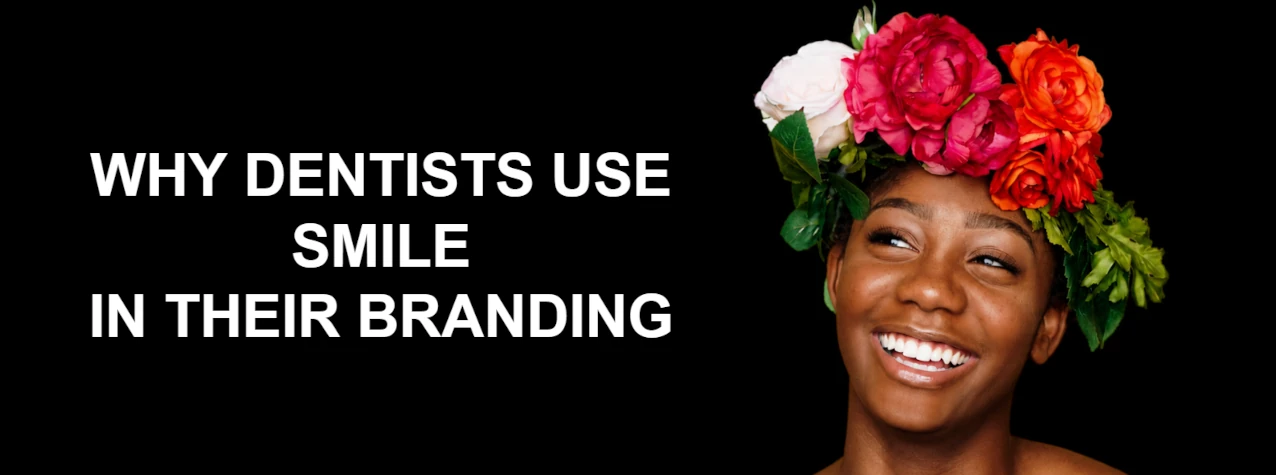
Deeper reasons why Dentists use “Smile” in their branding
Sure, here’s an article exploring the deeper reasons dentists use “smile” in their branding:
You see it everywhere: dental practices using smiling faces in their logos, on their websites, and in their marketing. It seems pretty obvious, right? Dentists help people have nice smiles. But there’s more to it than just the obvious. The word “smile” and the imagery associated with it tap into something much deeper, influencing how you feel about your oral health and the care you receive. It’s not just about aesthetics; it’s about trust, confidence, and a positive experience.
Let’s dive into some of the less obvious but really important reasons why dentists lean so heavily on the concept of a “smile” in their branding.
The Emotional Resonance of a Smile
A smile isn’t just a physical expression; it’s a powerful emotional signal. It communicates happiness, friendliness, and approachability. For a dentist, aligning their brand with this positive emotion is a strategic move to make their practice feel welcoming and less intimidating.
A Universal Language of Positivity
Think about it. A smile is understood across cultures. It’s one of the first ways we connect with others. When a dental practice uses “smile” in its branding, it’s tapping into this universal language of positivity. It immediately sets a tone that says, “We’re here to help you feel good.” This is crucial, as dental visits can sometimes be associated with anxiety or discomfort.
Building Rapport and Trust
The act of smiling itself can foster connection and trust. When you see a picture of a smiling dentist or happy patients on a practice’s website, it subconsciously primes you to feel more at ease. This emotional connection is the first step in building a trusting relationship, which is essential for ongoing dental care. A practice that projects a friendly, approachable image is more likely to be chosen by patients seeking not just treatment, but a positive overall experience.
Shifting Perception from Procedure to Well-being
By focusing on the outcome of a healthy mouth – a beautiful smile – dentists are framing their services in terms of well-being and improved quality of life, rather than just fixing problems. This subtle shift in branding can make people more proactive about their oral health. It’s about the joy and confidence that comes with a healthy smile, not just the absence of dental issues.
The Tangible Outcome: A Visible Result
For many patients, the primary motivation for seeking dental care is to achieve or maintain a desirable smile. Dentists understand that a visible, positive outcome is a huge part of patient satisfaction, and their branding reflects this.
The Aesthetic Appeal and Self-Esteem Connection
We live in a society that often values appearance. A bright, healthy smile is frequently associated with attractiveness, confidence, and overall health. Dental professionals recognize that improving a patient’s smile can have a profound impact on their self-esteem and how they present themselves to the world. Branding centered on “smile” directly addresses this desire for aesthetic improvement and the resulting boost in confidence.
Demonstrating Expertise and Transformation
When a dental practice uses “smile” in its branding, it’s essentially showcasing the tangible results of their expertise. They are saying, “We can help you achieve this.” It’s a visual promise of transformation. This is particularly powerful for procedures like teeth whitening, veneers, or orthodontics, where the outcome is a visibly altered and improved smile. Clients are drawn to the idea of a professional who can deliver such a noticeable and beneficial change.
The “Before and After” Implicit Promise
The very concept of a “smile” brand often implies a journey. It suggests that a patient may be starting from a place of less confidence or dissatisfaction with their smile, and the dental practice offers the path to a more radiant one. This creates an implicit “before and after” narrative that resonates with potential patients who are seeking positive change.
Fostering a Sense of Confidence
A good smile is often seen as a sign of health and confidence. Dentists aim to instill this confidence in their patients, both in their appearance and in their ability to navigate dental care.
Empowering Patients Through Oral Health
Confidence isn’t solely about appearances; it’s also about feeling in control and knowledgeable. When a dental practice emphasizes “smile,” they are not just talking about the outcome but also about empowering patients. By encouraging good oral hygiene and offering effective treatments, they help patients feel more confident in their ability to manage their dental health and, consequently, to smile more freely.
Overcoming Dental Anxiety with Positive Association
For many people, the dentist’s office can be a source of anxiety. By consistently associating their brand with “smiles,” dentists aim to create a positive mental association that can counteract fear. A welcoming, smile-focused environment is designed to reduce stress and make the overall experience more pleasant, which in turn builds patient confidence in the practice itself.
The “Smile Makeover” Aspiration
The idea of a “smile makeover” is highly aspirational for many. Dental practices that use “smile” in their branding are tapping into this aspiration. They position themselves as facilitators of this transformative experience, offering patients the chance to not just improve their oral health but also to unlock a new level of confidence and happiness.
Communicating Approachability and Inclusivity
A dental practice wants to be seen as a place where everyone feels welcome and comfortable, regardless of their current oral health status or their feelings about visiting the dentist. The concept of a smile is inherently inclusive.
Breaking Down Barriers to Entry
Let’s be honest, going to the dentist isn’t everyone’s favorite activity. By using “smile” in their branding, dental practices are attempting to break down the perceived barriers to entry. They’re sending a clear message: “We are friendly, we are here to help, and we want you to feel comfortable.” This is especially important for new patients who might be hesitant to book an appointment.
Welcoming All Types of Smiles
A good smile brand doesn’t just cater to those with naturally perfect teeth. It’s about helping everyone achieve their best smile, whatever that may be. Whether it’s addressing pain, preventing future issues, or cosmetic enhancements, the focus on “smile” acknowledges that a healthy, happy mouth is the ultimate goal for all patients. This inclusivity makes the practice feel more accessible to a broader range of people.
The Role of Friendly Staff and Environment
The branding around “smile” often trickles down to the practice’s atmosphere and its staff’s demeanor. You’ll often find dental offices that focus on smiles have friendly receptionists, gentle hygienists, and dentists who take the time to explain procedures clearly. This creates a holistic experience where the “smile” brand is not just a logo but a reflection of the entire patient journey.
Long-Term Patient Relationships and Loyalty
Building lasting relationships with patients is key for any healthcare provider. The emotional and tangible benefits associated with a “smile” contribute significantly to fostering that loyalty.
Beyond Transactional Care to Partnership
When a dental practice frames its services around achieving and maintaining a great smile, it shifts the relationship from a purely transactional one (fixing a problem) to one of partnership. The dentist becomes a long-term confidant and guide for the patient’s oral health journey, focusing on prevention and ongoing well-being, all centered around the enduring benefit of a healthy smile.
The Power of a Positive Experience for Referrals
Happy patients are the best form of advertising. When a patient has a positive experience at a dental practice, especially one where they feel their smile has been improved or well cared for, they are much more likely to recommend that practice to friends and family. The “smile” branding acts as a constant reminder of that positive outcome and the excellent care they received.
Reinforcing Brand Identity Through Consistent Messaging
By consistently using “smile” in their branding, dental practices reinforce their core message and identity. This consistent messaging helps patients remember what the practice stands for and the benefits they can expect, making it easier to choose them again and again for their dental needs. It’s a clear and memorable way to communicate the value they provide.
In essence, the dentist’s use of “smile” in their branding is far more strategic than simply stating the obvious. It’s about tapping into deep-seated human desires for happiness, confidence, and positive social connection, all while clearly communicating the tangible, life-enhancing results of good oral healthcare. It’s a smart way to build trust, foster loyalty, and make the experience of visiting the dentist a more positive one.